



Blog
Dumbbell & Weight Plates Buying Guide: Choosing the Right Weight for Your Home Gym

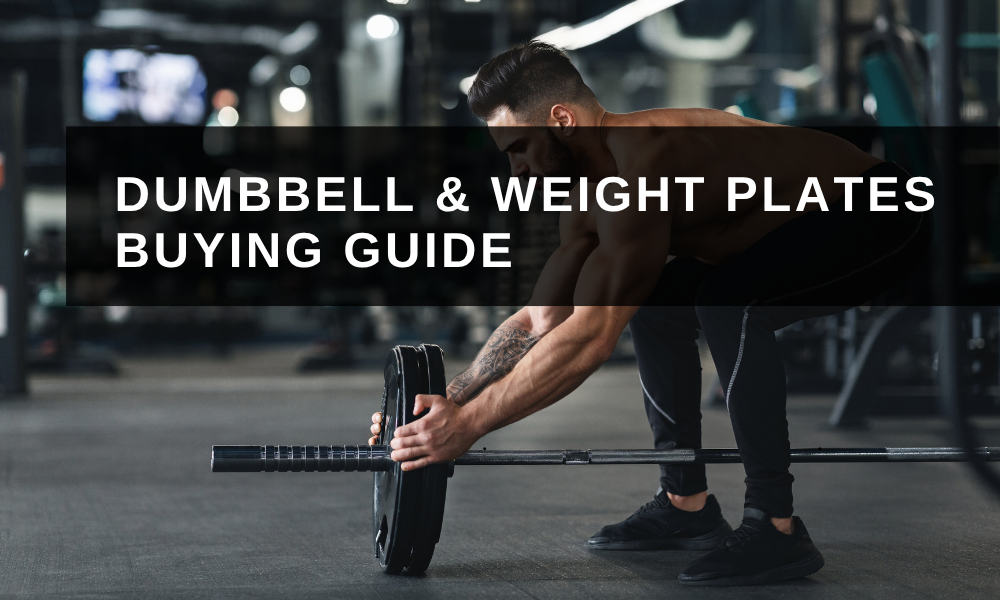
Dumbbells are usually the first thing people buy for a home gym, and also the thing most people get wrong. Either they buy too light and outgrow the set in a few weeks, or they buy too heavy and end up too intimidated to use them safely. Here’s how to actually pick the right weight for where you are right now.
The Different Types, and Which One Fits Your Space
Fixed dumbbells come in a set weight per pair, simple and durable, but you’ll need a rack if you plan to own more than one or two pairs. Adjustable dumbbells change weight through plates or a dial on a single pair, which is great if you’re short on space since one set replaces an entire rack. Rubber-coated hex dumbbells protect your floor and keep the noise down, a solid choice for apartment living. Cast iron or chrome dumbbells show up more in commercial gyms, tough but noisier on hard flooring.
For most people setting up at home in Dhaka, rubber-coated hex dumbbells or a compact adjustable set strike the best balance between space, noise, and how long they’ll actually last.
How Much Weight Should You Actually Start With?
Beginners: Women usually start around 2 to 5 kg per dumbbell for most exercises. Men tend to start around 5 to 10 kg.
A few months in, training consistently: Women typically move up to 6 to 12 kg. Men to around 10 to 20 kg.
Experienced lifters: Women 12kg and up. Men 20kg and up.
These ranges shift a lot depending on the exercise. A shoulder press needs way less weight than a row or a squat, which is exactly why most people end up needing a small spread of weights instead of just one pair.
What to Know About Weight Plates
If you’re building toward a barbell setup or a multi-station machine, plates come in a few common forms. Cast iron is the standard, durable choice for most home setups. Rubber-coated plates are quieter and easier on your floor, similar logic to the hex dumbbells. Bumper plates are meant to be dropped safely and mostly show up in commercial or Olympic lifting setups, not really needed for typical home use.
One thing worth double-checking before you buy: hole diameter. Standard and Olympic sizes aren’t interchangeable, so make sure whatever you buy actually fits your bar or machine.
Fixed Set or Adjustable? Here’s How to Decide
If space is tight, adjustable dumbbells almost always come out ahead, one pair covering a wide range beats a rack taking up half your room. If you’ve got a dedicated corner and more than one person training in the household, a small fixed set is simpler to use day to day since there’s no pausing to adjust mid-set.
A Few Common Mistakes
Buying only one weight is probably the most common one, you’ll need lighter weights for shoulders and arms and heavier ones for legs and back, even as a total beginner. Skipping a floor mat is another, dropped or set-down dumbbells chew through tile and hardwood fast. Grip material matters more than people expect too, rubber or knurled-metal grips cut down on slipping once your hands get sweaty. And try not to overbuy too early. Start with a moderate range and add heavier weights as you actually progress, rather than guessing your ceiling on day one.
Where to Buy Dumbbells and Weight Plates
Once you know your starting range, a gym equipment shop in Dhaka that stocks both fixed and adjustable options makes it easy to compare weights and materials side by side, with delivery available nationwide. The dumbbell and weight section ranges are worth browsing to match your budget and goals.
Quick Questions
What dumbbell weight should a beginner start with in Bangladesh? Most beginners do fine starting around 2 to 5 kg for women or 5 to 10 kg for men per dumbbell, then adjusting up as specific exercises allow.
Are adjustable dumbbells actually worth it? Yes, especially in smaller apartments. One adjustable pair can replace an entire rack of fixed weights while taking up a fraction of the space.
What’s the difference between standard and Olympic weight plates? The hole diameter. Olympic plates fit 2-inch bars used in most gyms and power racks, while standard plates fit 1-inch bars common on basic home equipment. Always match the plates to your specific bar.
Bottom Line
The right dumbbell or plate set isn’t the heaviest one you can find, it’s the range that actually matches your current strength and your space. Start with a sensible spread, go for floor-friendly materials at home, and add weight as your training moves forward.